
What Is CBEM Construction's Land Subdivision Process?
Land subdivision usually refers to the the process that creates new lots of land or changes the size of the existing lot or the location of the property boundaries. This process creates a new Title for each new lot that can then be registered with NSW Land Registry Services.
Here is CBEM Constructions's land subdivision process:
1. Feasibility Study & Planning
- Zoning & Regulations Check – We follow NSW planning laws, plan lot size, and take care of land-use restrictions.
- Environmental & Infrastructure Assessment – We evaluate potential water, electricity, and drainage risks to help reduce the estimated cost.
- Local Council Compliance – Our team ensures your subdivision meets LEP & DCP guidelines for road access, landscaping, and building height.
2. Professional Surveying & Application Submission
- Licensed Land Surveying – We provide accurate boundary measurements and site mapping to make the best use of your land.
- Subdivision Plan Development – Our team designs lot layouts, road access points, and infrastructure connections to make the most value of your land.
- Development Application (DA) Submission – We handle all required documentation, including environmental impact reports and stormwater drainage plans.
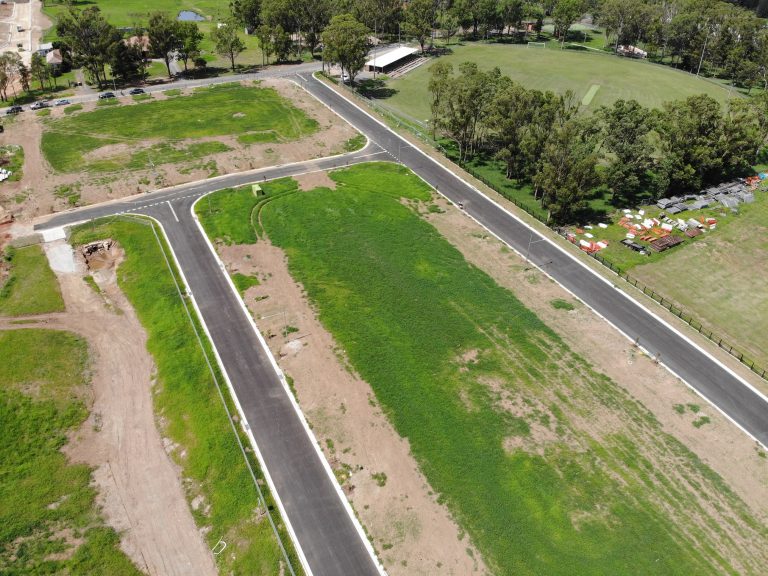
3. Civil Works & Infrastructure Development
- Site Preparation & Excavation – We manage land clearing, leveling, and road construction to meet all the subdivision requirements.
- Utility Installation – Our team ensures professional connections for water, sewage, gas, and electricity.
- Compliance Inspections – We will get the necessary Construction Certificates (CC) and Work Compliance Certificates (WCC) from local councils.
4. Final Approvals & Title Registration
- Subdivision Certification – We work with NSW councils and private certifiers to make sure that all legal requirements are met.
- Title Registration with NSW Land Registry Services (LRS) – We will complete all the process so each new lot receives a separate legal title which will be ready for sale or development.
If you are ready to start your land subdivision in NSW, feel free to contact us to see how we can help you making your project come true.
Residential subdivision is the process of breaking up a large block of land into smaller lots. It's a smart way to maximize underutilized space and unlock land value. Subdivision helps property owners and developers to increase return on investment and satisfy growing housing demand.
Drawing lines isn't just enough. Civil works, drainage compliance, engineering design, and planning approvals are all part of subdivision. From early feasibility studies and council permits to the delivery of fully serviced lots, CBEM assists clients with every step of the process. In order to guarantee that your project is completed efficiently and in compliance with all local codes, our civil engineering team plans and constructs roads, stormwater systems, and utility connections.

CBEM can make the process easier if you're thinking about dividing your land in Melbourne or regional Victoria. We provide hand to hand project support, high-quality construction, and helpful guidance to make sure that your subdivision thrives are successful.
To discuss further action of your land, get in touch with CBEM Construction right now.
Looking for residential subdivision in NSW? Explore our full service page here.
In the rapidly changing property environment of today, landowners throughout New South Wales (NSW) are looking more and more to land subdivision as a way to release capital, increase asset value, and diversify their investment portfolios. But while subdivision sounds so enticing, it's not a one-size-fits-all solution by any means. From zoning regulations and title configurations to council policies and survey complexities, subdividing land successfully demands vision, planning, and professional guidance.
Why Subdivide? The Real Value Behind It
Land subdivision divides one piece of land into multiple smaller pieces of land, each with its title. These pieces of land can be developed individually, kept, or sold for profit.
Strategic Benefits Include:
- Capital Growth: The more lots, the more potential income streams or sales opportunities.
- Development Flexibility: Build new homes, townhouses, or even offices.
- Improved Marketability: More people want to buy smaller lots than one large lot.
- Future-Proofing: Invest in land for long-term appreciation or family wealth planning.
For NSW property owners, these benefits are even stronger when combined with professional planning and local knowledge.
The Basics of Land Subdivision
Before diving into technical processes, it’s essential to understand what land subdivision involves.
Subdivision is the process in law of dividing one parcel of land into multiple lots. A new lot obtains its title and may include separate infrastructure requirements, access, and land use entitlements. But it is not just chopping up a parcel into pieces — it is producing habitable, marketable property lots that satisfy regulatory and operational requirements.
General Types of NSW Land Subdivision
There are several subdivision models in New South Wales, and each of them is appropriate for specific land uses and development intents. It is important to understand the differences to make the optimal choice.
1. Torrens Title Subdivision
This is the most widely recognised and utilised subdivision model.
Each lot is titled independently and is wholly separate.
Typically utilised for single residences or dual occupancies.
Most suitable for people seeking flexibility and outright ownership.
2. Strata Subdivision
Used primarily for apartments, townhouses, or duplexes.
Individual ownership of each unit, but common areas (e.g., driveways or gardens) are jointly owned.
Paid by owners as strata fees and regulated by the body corporate rules.
3. Community Title Subdivision
Suitable for estates or gated communities.
Private lots owned by strata members but shared larger communal facilities such as parks or gyms.
Involves creating a community association to manage common areas.
4. Stratum Subdivision
A vertical division, separating various uses in a building (such as commercial at ground level, residential above).
Of application in multi-level developments or mixed-use buildings.
It can involve complex structural and legal planning.
Subdivision of all types must be by council and state law. Getting the form incorrect can lead to delay or outright refusal, so expert advice is essential at an early stage.
Legal and Regulatory Factors in NSW
Land subdivision in NSW is heavily regulated. Knowing the law will prevent traps and speed up approval.
- Compliance with Zoning: Verify that the zoning of the land permits subdivision. Check minimum lot area, dwelling density, and approved land use.
- Local Environmental Plans (LEPS): LEPS are used by councils to manage land use. LEPS can restrict subdivision within flood, bushfire hazard, or heritage areas.
- Development Control Plans (DCPS): These include local area layout and design requirements.
- Easements and Restrictions: Determine if there are any rights of way, drainage easements, or covenants that can affect development.
- Council Approvals: A formal application must be lodged with the relevant council. Depending on complexity, this can be a Development Application (DA) or a Complying Development Certificate (CDC).
Non-compliance with these regulations will result in project delays or outright rejection. That is why it is important to hire the services of professionals who are familiar with NSW subdivision law.
Pitfalls to Avoid
Even well-intentioned subdivision projects can hit roadblocks. Here are some common mistakes and how to avoid them:
- Ignoring Zoning Restrictions: Even a large block may not be eligible for subdivision.
- Underestimating Costs: Budgeting only for basic work without factoring in service upgrades.
- Lack of Professional Input: Attempting a DIY approach can lead to legal and financial complications.
- Disregarding Infrastructure Requirements: New lots typically require their service connections.
Is Land Subdivision Right for You?
Land subdivision can unlock hidden value, offer new revenue streams, and enhance the usability of your land — but only if done right. From understanding title types and zoning regulations to coordinating with councils and contractors, subdivision requires more than good intentions. It needs strategy, compliance, and experienced support.
If you are ready to start your land subdivision in NSW, feel free to contact us to see how we can help you making your project come true.
Effective stormwater drainage management is a critical part of any land subdivision project in NSW. One of the most important requirements from local councils is the installation of On-Site Stormwater Detention (OSD) systems.
When land is subdivided, large areas are covered by impervious surfaces like roads, driveways, and rooftops. These prevent natural infiltration and dramatically increase stormwater runoff. Without proper drainage solutions, this excess runoff can lead to downstream flooding and severe pressure on the public stormwater infrastructure.

An OSD system addresses this by temporarily storing stormwater on-site, then slowly releasing it into the council-managed stormwater drainage network. This controlled flow reduces peak discharge rates, helping to prevent pipe overloading, property flooding, and erosion.
Councils across NSW enforce OSD requirements through their Development Control Plans (DCPs) and Water Sensitive Urban Design (WSUD) policies. These frameworks aim to promote sustainable stormwater drainage practices and reduce the environmental impact of urban development.
CBEM as civil contractor, we specialise in delivering compliant and cost-effective OSD solutions as part of our broader stormwater drainage design and construction services for subdivision projects. Whether you’re planning a residential estate or a mixed-use development, we can help you meet council requirements while protecting your timeline and budget. If you need more detailed information, please get in touch with CBEM Constructions.
CBEM Constructions is a professional civil engineering company headquartered in New South Wales, specializing in house demolition, basement excavation, and land subdivision construction. We provide comprehensive infrastructure services, including drinking water, sewage, stormwater, electricity, internet, gas, and road construction.
1100+ Land Subdivision Projects Completed。
With extensive hands-on experience, we have successfully delivered over 1,100 land subdivision projects . Our projects span across Sydney’s Northwest Growth Area, Southwest Airport Development Area, Newcastle, and Wollongong. Whether it’s a large-scale development or a small independent subdivision, we ensure efficient, compliant, and reliable construction services.

Expert Team Ensuring Quality and Timely Completion
Each construction team is led by experienced civil engineers and project managers, who remain on-site throughout the process to strictly oversee quality and progress, ensuring that every project is completed on time and to the highest standards.
Seamless Approvals & Full Process Support
We are well-versed in the DA/CC requirements for land subdivision and Sydney Water’s design and approval process. Our team can assist clients in obtaining all necessary approvals, streamlining the process to save time and costs while ensuring compliance.
Choose CBEM Constructions for Efficiency and Professionalism!
Whether you are a developer, investor, or landowner, CBEM Constructions provides comprehensive land subdivision solutions to help you maximize the value of your land.
Looking for a professional land subdivision? Cbem Construction delivers expert solutions with precision and reliability land subdivision. Contact us today for a free consultation and quote!