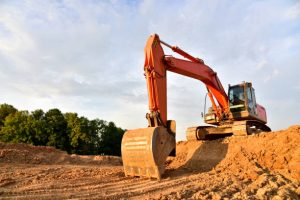
Large-scale civil projects in New South Wales often succeed or fail during the early stages of earthmoving. Before structures rise or services are installed, the ground must be shaped to suit design levels, drainage and access. This is where bulk earthworks set the tone for program certainty and cost control. Decisions made at this stage affect not only how quickly the project progresses but also how much material enters or leaves the site. For contractors, developers, and consultants working across NSW, understanding these relationships is essential.
Cut and fill planning sets the rhythm of the job
Cut and fill is simply the act of removing soil from higher areas and placing it where levels need to be raised. It sounds straightforward, but the details determine how smoothly the job runs.
Design levels and tolerances matter more than people expect
A small change in finished levels can shift volumes by thousands of cubic metres on larger sites. Early coordination between design and construction can prevent overcutting, a shortfall in fill, or awkward transitions that force extra handling. A clear set of levels, supported by a practical plan for drainage and access, reduces last-minute changes that are expensive to fix.
Access and haul routes can speed up or choke progress
Earthworks is not only about machines. It is also about movement. If trucks or loaders have to cross soft ground, wait for narrow access, or compete with other trades, productivity drops. Planning internal haul roads, turning space, and safe separation from other activities keeps daily output steady and protects the program.
Weather and soil conditions change the cost curve
Wet periods can turn workable soil into something that cannot be placed or compacted as planned. That can cause stockpiles, extra drying time, or replacement with imported material. A realistic allowance for weather, plus a strategy for managing moisture and temporary drainage, helps prevent sudden cost spikes.
Site balance is where schedule savings often hide
A balanced site means most cut material can be reused on site as fill, with minimal import or export. It is not always possible, but it is worth targeting because hauling is usually one of the biggest cost drivers.
Minimising double handling keeps the budget under control
If material is cut, stockpiled, moved again, and then moved a third time to the final location, costs rise quickly. Each extra touch adds time, fuel, and machine wear. A smart staging plan aims to place suitable material as close to the final position as possible, when it is available, and when access allows.
Sequencing affects both balance and program
Even when the site can balance on paper, the construction sequence can break it. If fill is needed early but cut is only available later, teams may import fill first and then export cut later, losing the balance advantage. Reviewing sequence options early can reduce these unnecessary movements.
Testing and acceptance rules influence what can stay on site
Material reuse depends on whether it meets project requirements. Basic testing and clear acceptance criteria help avoid surprises where a large volume cannot be used as planned. When this is clarified upfront, the team can make better choices about where to cut first and what to keep.
VENM decisions influence both certainty and cash flow
VENM is commonly used as a fill source on NSW projects, but the real decision is not just whether to use it. It is how to manage supply, verification, and transport so the project does not stall.
Supply reliability can determine the critical path
Even a well-planned earthworks program can slip if fill deliveries are inconsistent. If the project needs imported fill, it helps to confirm realistic supply rates, travel times, and booking windows. This turns fill into a managed input rather than a daily gamble.
Transport distance affects more than price per load
Longer haul distances raise cost, but they also increase risk. More time on the road means more exposure to traffic delays and less flexibility if priorities change on-site. Shorter, reliable supply routes often protect the program better than chasing the lowest headline rate.
Documentation and checks reduce disruption later
In practice, delays often come from uncertainty, not from the soil itself. Clear records, consistent checks, and disciplined site controls reduce the chance of rejected loads or stop work events. That stability protects both timeline and budget.
Bulk earthworks is where a project can gain momentum or lose it. When cut and fill is planned with realistic access and weather in mind, when site balance is supported by sensible sequencing, and when VENM supply is treated as a program input rather than an afterthought, the job becomes easier to control. That control is what keeps cost and schedule from drifting.